














The short answer
To reset your car after a family visit, unload food and personal belongings, separate trash from recycling, and empty the accessories before cleaning them. Wipe our trunk organizer with a damp cloth. Wipe our “Carbage” Can with Lid, rinsing the interior after spills. Let both dry, return your everyday essentials, and fold the empty organizer when you want the cargo space back. Complete the routine while safely parked.
Home again, with a little of the visit still in the car.
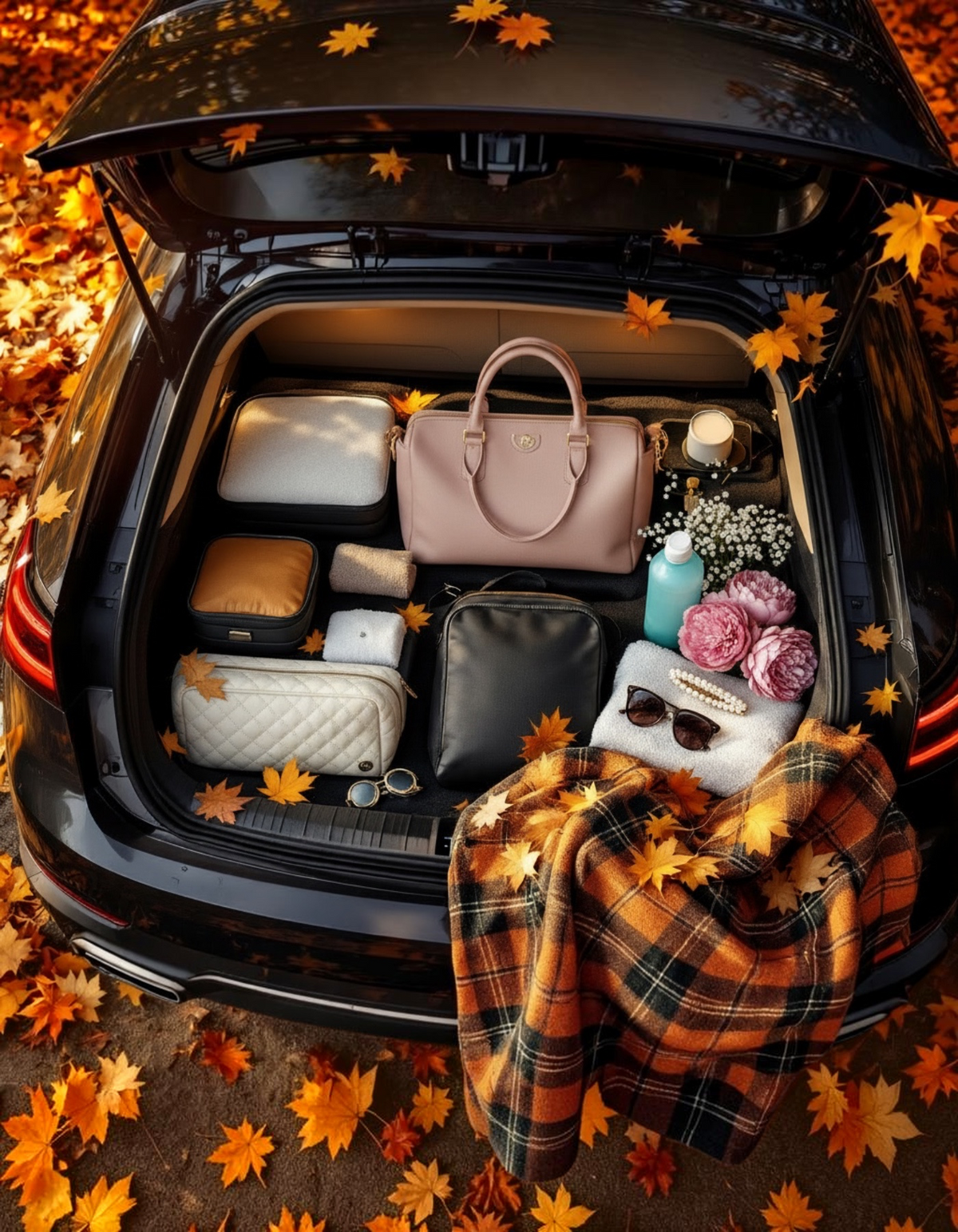
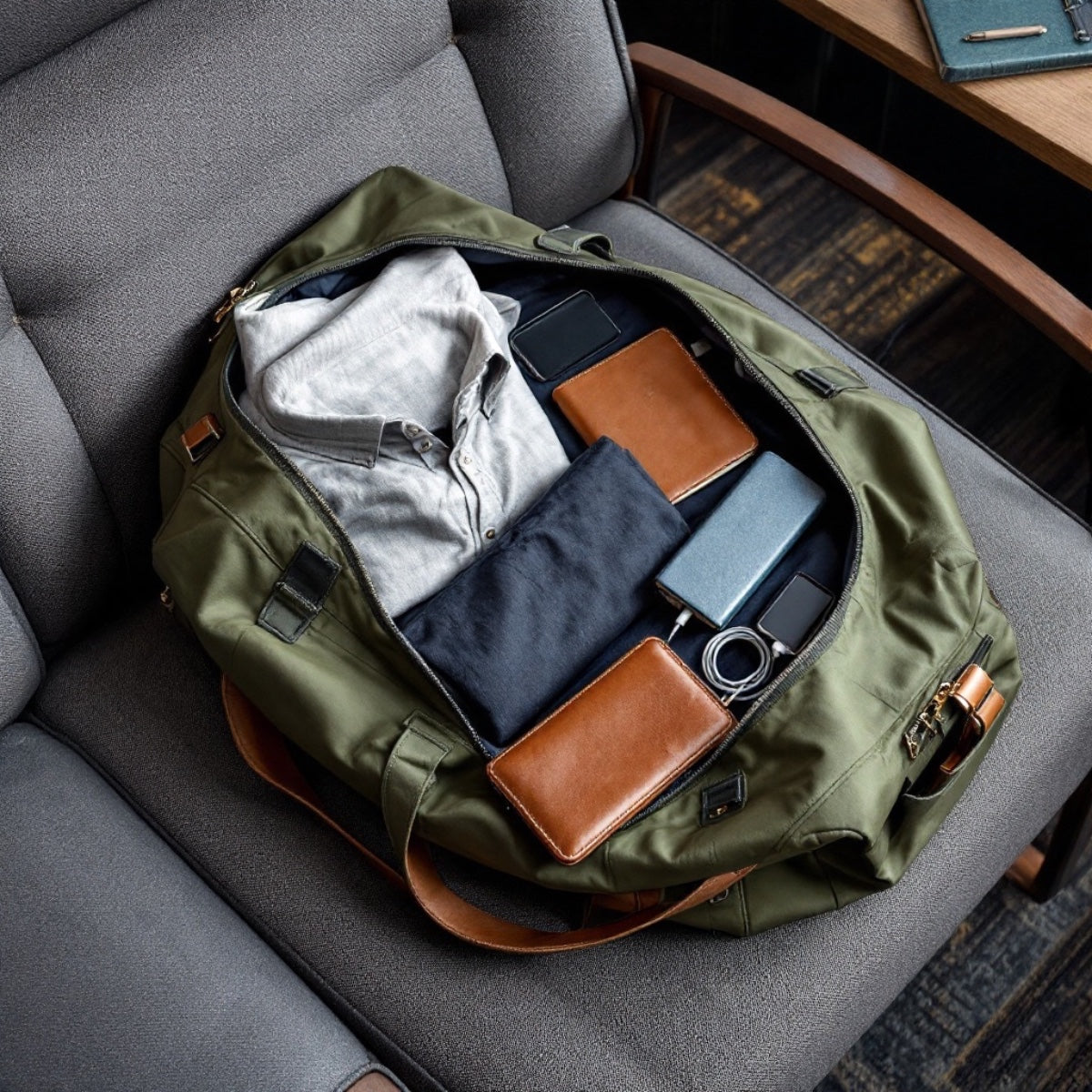
An overnight bag. A serving dish from your host. The book you borrowed before saying goodbye, plus a few wrappers from the journey. Coming home often means unpacking a slightly different collection from the one you took.
A useful car reset moves those belongings to their next destination, refreshes the accessories that carried them, and leaves room for ordinary errands. Think of it as finishing the unpacking—not starting a full detailing session.
Our Multi Compartment Waterproof Car Trunk Organizer gives grouped belongings a structured place in the cargo area, then folds flat when empty. Our “Carbage” Can with Lid keeps small wrappers and receipts together in the cabin. Together, they make the change from weekend luggage to everyday use more straightforward.
For broader packing and equipment decisions, visit our Travel & Auto essentials guide. Here, we’ll start when you arrive home and finish with the car ready for its next familiar journey.
Start With What Needs to Come Inside
Unload the belongings that need attention before cleaning the containers that carried them. Food, personal essentials, and damp clothing come before rearranging the trunk.
Put Leftovers Away First
If you’ve brought perishable leftovers home, take them to the kitchen first. An organizer groups food containers; it doesn’t keep their contents refrigerated. Cold perishables need temperature-controlled transport, such as a cooler used to maintain the required temperature.
USDA FSIS’s guidance on leftovers recommends keeping cold perishable food at 40°F (4°C) or below and food being held hot at 140°F (60°C) or above. Refrigerate perishable leftovers within two hours of leaving safe temperature control, or within one hour when the surrounding temperature is above 90°F (32°C).
When applying that limit, account for serving, packing, and travel time while the food was out of temperature control—not just the time since you parked. Discard perishable food that has exceeded the applicable limit; refrigeration on arrival isn’t a way to rescue it.
For a large portion, divide the food into smaller, shallow containers and put it away promptly. USDA’s take-out food guidance recommends shallow containers for refrigerating or freezing leftovers. The serving dish can wait for washing once the food is safely stored.
Sort the Bags by Their Next Stop
Group the remaining belongings by where they’re going, rather than where they sat during the drive.
- Home storage: personal bags, books, chargers, and clean clothing.
- Ready for care: worn clothes, damp layers, and reusable food containers.
- To return: borrowed items and belongings that came home with you by mistake.
- Usually kept in the car: the supplies you regularly carry, once they’re ready to go back.
Use an existing tote to gather small belongings for the walk indoors. If the organizer is heavily loaded, remove manageable groups rather than treating the full container as something you have to lift in one go.
Put borrowed items in a recognizable return spot indoors. A serving dish beside the bag for your next visit is easier to remember than one left underneath shopping bags in the trunk.
Freshen the Cabin Bin Before the Next Drive
Empty the small waste, clean the bin, and let the interior dry before adding a fresh liner.
Empty the Liner, Then Wipe the Bin
Our “Carbage” Can with Lid suits small waste such as wrappers, receipts, and coffee lids. Its press-open lid returns closed after use, keeping those pieces together between cleanouts.
If you use a liner, lift it out carefully, tie or close it, and dispose of it with the appropriate trash. If you use the bin without a liner, empty the loose waste first. Take larger cups and packaging out separately rather than trying to fit everything into a mini container.
Wipe the plastic body with a damp cloth. For spills inside, rinse the interior and dry it before reuse. Give the opening a little attention too, especially where a liner or sticky wrapper has touched it.
Once the interior is dry, fit a suitably sized small liner. Keep excess bag material clear of the lid so it can return closed normally. A neatly fitted liner makes the next cleanout simple without getting in the way of the closure.
Keep Bottles and Packaging Separate
Set aside empty bottles, cans, and other packaging accepted by your local recycling program instead of putting everything into the trash liner.
EPA’s guidance on common recyclables explains that plastic bags, wraps, and film do not belong in household recycling bins. It also notes that the resin number inside a triangle identifies the plastic type; it doesn’t establish that your local program accepts the item.
Follow your program’s accepted-material and preparation instructions, including removing food residue where required. Keep the used trash liner separate from those recyclables. Sorting as you unload saves having to reopen a mixed bag later.
Set aside the receipts you want to keep before disposing of the rest. A quick look now is enough; the car reset doesn’t need to turn into a paperwork session.
Clean the Trunk Organizer Before It Goes Back
Empty our trunk organizer, wipe the accessible surfaces with a damp cloth, and let it dry before refilling or folding it.
Our organizer combines 600D fabric with compartments, reinforced walls, and a reinforced base. The structured shape gives bags and smaller belongings a defined place. Emptying it after the visit makes the base and corners accessible again.
Wipe the Empty Compartments
Remove loose crumbs and small pieces of debris, then work across the empty interior with a damp cloth. Reach the base and accessible compartment edges as well as the most visible mark.
The exterior is designed for splash and spill resistance, rather than full submersion. Use the damp-cloth care method instead of soaking the organizer or putting it through a washing-machine cycle.
Wipe the outside and base before placing it on a clean storage surface. While it’s out of the car, pick up any loose litter underneath. For the vehicle’s cargo liner and other interior materials, follow their own care instructions rather than applying one cleaning method to everything.
Let It Dry, Then Keep It Open or Fold It
Leave the organizer empty and open in a suitable drying space. Let the wiped areas finish drying before adding belongings or collapsing the sides.
Then choose around the next use. Keep it open if it regularly holds reusable shopping bags or everyday supplies. Fold it flat if you want the cargo space back, and store it somewhere clean and dry.
That flexibility is one of the reasons we like a foldable organizer for changing routines. It can have a place during a weekend visit without occupying the same amount of space between every trip.
Make Room for the Drives You Take Every Week
Return the belongings you routinely use, not the entire collection that happened to travel with you.
Your reusable shopping bags may belong back in the car. An overnight bag, an extra serving dish, and the clothes packed for the visit usually have somewhere else to go. Make the everyday arrangement smaller by returning those items to their normal homes.
Return the Essentials, Not the Whole Packing List
Replace supplies you actually used, such as a bin liner or items from your usual travel group. Put them in the places you already recognize so the next journey doesn’t begin with a search.
Keep your usual roadside equipment accessible and restore anything used from it. Follow the contents’ storage instructions rather than treating every supply as suitable for indefinite storage in the vehicle.
Leave access to equipment beneath or behind the cargo floor. An organizer is most useful when you can reach its contents without blocking something else you may need.
Finally, picture the next ordinary load: a work bag, groceries, or whatever you usually carry. Leave room for that load rather than filling every compartment simply because it’s available.
Settle Everything Before the Next Drive
Return accessories to positions that follow your vehicle’s instructions. Keep pedals, controls, visibility, seat movement, seat belts, and airbag areas clear. Remove loose objects that could move into the driver’s footwell.
Follow your vehicle’s loading limits and securement instructions for the cargo you carry. Our organizer groups belongings; its compartments and reinforced walls do not replace appropriate cargo restraint.
Finish the cabin arrangement before departure. Drivers should use, empty, or reposition the “Carbage” Can only while safely parked—not while the vehicle is moving.
From a Weekend Visit to the Next Grocery Run
Imagine arriving home with overnight bags, safely chilled leftovers in a borrowed serving dish, a reusable tote, and the small waste from your stops.
The serving dish has two destinations: its food belongs in safe storage, while the cleaned dish belongs in your return spot. Separating those tasks lets you deal with the food promptly without leaving the whole container in the trunk until your next visit.
Take the bags indoors, empty the two accessories, and complete their respective care routines. Then use the table to finish the last few decisions.
| What came home | Next destination | What returns to the car? |
|---|---|---|
| Perishable leftovers | Prompt refrigeration if safely handled; discard food that exceeded safe time limits. | The cooler when it is prepared for another use. |
| Overnight clothing and personal items | Usual home storage or the appropriate garment-care routine. | Only items also needed for everyday journeys. |
| Borrowed serving dish or book | A recognizable return spot indoors. | The item when you are taking it back. |
| Wrappers and empty packaging | Appropriate trash or locally accepted recycling. | The clean, dry bin, with a suitable liner if used. |
| Reusable shopping bags | Their own care routine if needed, then dry storage. | The bags used for ordinary errands. |
| Empty trunk organizer | Damp-cloth cleaning and drying. | Open for regular use, or folded when you want the space. |
You’ve finished when the trip belongings have moved on, the accessories are ready, and the driving space is clear. The goal isn’t an empty car for its own sake. It’s a useful arrangement for the next grocery run, commute, or visit.
Which Accessory Will You Use Most?
Choose the trunk organizer for grouped cargo. Choose the small cabin bin for wrappers, receipts, and similar waste.
For a car that moves between errands and overnight visits, our trunk organizer is the more useful starting point when bags and loose belongings need a consistent place. Its reinforced structure keeps the compartments defined, and the fold-flat design lets you reclaim space when it’s empty.
If your main need is a place for small cabin waste, start with the “Carbage” Can with Lid. Its plastic body, press-open closure, and liner support suit a routine of parked use and regular emptying.
Our recommendation
Choose our Multi Compartment Waterproof Car Trunk Organizer for a flexible cargo arrangement you can clean and fold between uses. Add our “Carbage” Can with Lid when you want a separate place for small cabin waste. The two accessories complement each other because they hold different things in different parts of the car.
Car Reset Questions
Can I Use the Trunk Organizer Indoors Between Trips?
Yes. Our organizer can also hold books, toys, seasonal clothing, and household items indoors. Empty and clean it after vehicle use, let it dry, and choose a suitable place for the contents. Its foldable design also makes it practical to put away when you don’t need it open.
Can the “Carbage” Can Hold Cables Instead of Trash?
Yes. A clean, dry bin can serve as a small storage box for cables, packaged wipes, and similar accessories. Use it for storage or waste at a given time rather than mixing the two. Keep wipes in their own resealable packaging.
What if I Get Home Late?
Prioritize perishable food, personal essentials, trash, and damp items. Nonessential sorting can wait until you have more time. Keep the organizer empty while it dries after cleaning, and finish the storage and driving-space checks before using the car again. You don’t have to complete every drawer and laundry task to finish the immediate arrival routine.
Keep the memories. Unpack the rest.
Bring the visit home, refresh the accessories that carried it, and leave room for the journeys ahead. For a trunk setup that can change with your plans, start with our foldable organizer. Add the small cabin bin when you want wrappers and receipts to have their own place.
Sources and Updates
The return-home sequence and family-visit example are Love Dug’s editorial recommendations. Product care follows the methods described for our accessories. The USDA references support food handling and leftover storage; EPA guidance supports recycling decisions. Follow your vehicle’s instructions for accessory placement, loading, and securement. Publication and update dates appear with the byline.
Selected sources