



















The short answer
Choose travel and auto essentials around the journey you are taking and the belongings you actually carry. Compare the complete packed setup, the facilities at your destination, and the care each item needs before returning home. A useful accessory has a clear role: keeping something organized, supporting a familiar routine, or making preparation more straightforward.
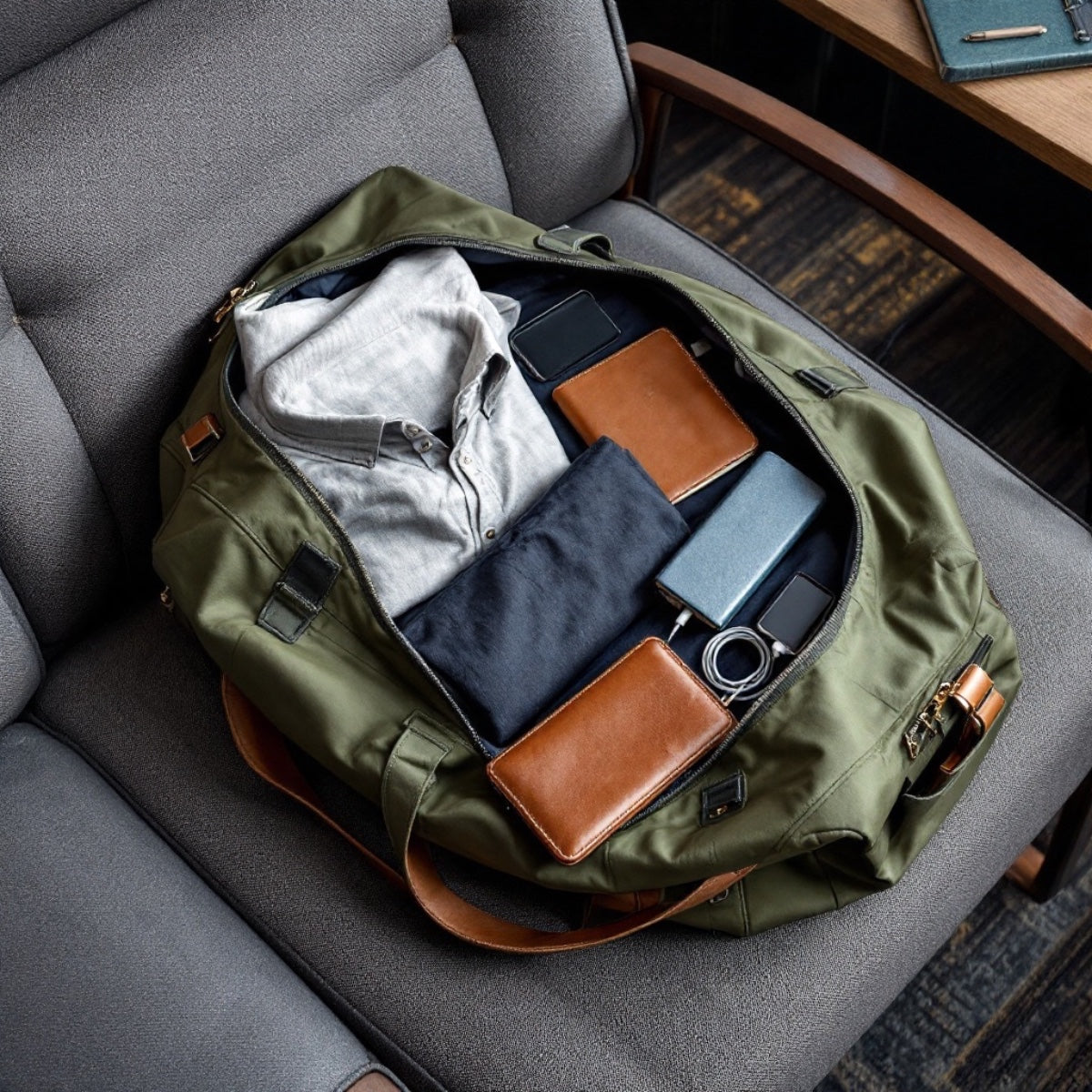
The bag is open on the bed.
A shirt is folded. A charging cable waits beside a pouch. Someone asks whether the place you are staying has an iron. Near the door, the things for the car have started to gather.
Useful travel pieces belong to those moments. They give small belongings a place, help a familiar routine continue somewhere else, or make the next stop easier to prepare for.
Their value becomes clearer when you picture the whole journey: carrying the bag, finding what you need, using the item, and packing it again afterward.
The Love Dug Edit introduces our wider approach to everyday products. This guide brings that thinking to Travel & Auto: what deserves a place in your luggage or vehicle, what needs checking, and what you can comfortably leave behind.
Start With the Journey You Actually Take
Choose around the trip, not a universal packing list. How you travel, where you stay, and what you expect to do give each accessory its purpose.
Name the Moment You Want to Improve
Think about the last time a small task became awkward. Perhaps the charging cable was buried beneath clothing. Perhaps you packed an appliance but had nowhere suitable to use it. Perhaps the items needed at a roadside stop were underneath the bags.
Describe that moment before looking for a product. “I want a better travel setup” leaves almost everything in contention. “I want the few things I need at a stop to stay together” gives you a clearer decision.
The answer may be a different arrangement of what you own rather than another accessory.
Keep the Familiar Parts That Work
A dependable bag, a pouch you can find by touch, or a clothing-care routine you already understand can remain the starting point.
Check what your accommodation provides before adding equipment. Consider the length of the stay and how often you would use the item. A longer visit may justify a setup that would feel excessive for one night.
Leave an uncertain purchase on the list for later. A useful travel kit can grow from experience without becoming a collection of things carried just in case.
Pack the Complete Setup
Compare everything that travels with an item, the space needed to use it, and the steps required before packing it again. The main product is only part of the arrangement.
Include the Parts Around the Product
Lay out the cable, power supply, attachments, protective cover, and other parts you need. Compare that complete group with the space in your actual bag, rather than judging portability from the main item alone.
For something you already own, make a trial pack. Close the bag, lift it, and retrieve the item. Notice whether another object has to move first or whether a cable needs its own place.
| Stage | What to record | Decision question |
|---|---|---|
| Packed | The complete size and weight, accessories, protection, and transport requirements. | Does the whole arrangement fit the luggage I intend to use? |
| In use | Required power, surfaces, water, attachments, and operating space. | Can I use it as instructed where I am staying? |
| Ready to return | Shutdown, cooling, cleaning, emptying, drying, and storage requirements. | Can I complete those steps before departure? |

Arrange the Bag Around When You Need Things
Separate what you need during the journey from what can remain packed until arrival. Keep related items together when that makes them easier to retrieve, but avoid adding compartments without a clear purpose.
A small charging pouch may be enough for one traveler. Another may prefer a separate group for clothing-care accessories. Use the arrangement that makes sense with your own belongings.
Plan for the return journey too. Give worn clothing a place and allow for the item-specific care described in the instructions. The arrangement should still work after the carefully folded first morning.
Check Power Before Departure
A plug that fits is only part of the decision. Check the appliance’s electrical requirements and the transport rules for any batteries you carry.
Separate Plug Fit From Electrical Compatibility
Electrical Safety First explains that a travel adapter does not convert voltage or frequency. Check the appliance’s accepted input against the destination’s supply, along with the adapter’s load limit and any grounding requirement.
Use the exact model’s instructions when deciding whether an adapter or conversion equipment is appropriate. A familiar plug shape does not settle the rest of the question.
For rechargeable products, check which cable and power supply the manufacturer specifies. Resolve missing electrical information before connecting the product at your destination.
Make the Battery Decision Before the Airport
For U.S. air travel, the FAA requires spare lithium batteries and power banks to remain in carry-on baggage. Remove them if the bag is checked at the gate, protect them from damage, and protect battery terminals against short circuits.
Check the applicable battery limits and your airline’s current restrictions before departure. Rules for a battery installed in a device are not necessarily the same as those for a spare battery.
Keep the relevant instructions somewhere you can retrieve them. It is easier to decide what belongs in the bag before leaving home than while rearranging it at the gate.

Choose Garment Care Around What You Wear
Start with the garments and the facilities available. Choose an appliance only when its permitted functions suit both.
Read the Clothes Before Choosing the Method
Think about the outfit you want ready after arrival. Read its care instructions before deciding how to press, steam, wash, or dry it.
For covered clothing, the FTC’s care-label guidance explains that instructions account for the finished garment and its components. Washing permission does not automatically establish that ironing is suitable.
For a travel iron or steamer, confirm the exact functions rather than choosing from the name alone. Does the model support dry pressing, steaming, or both? What working surface and operating position does it require? Which water and electrical instructions apply?
Then picture the task at your accommodation. Include the model’s shutdown, cooling, emptying, and storage steps where required. A compact appliance still needs a practical place and enough time to use it properly.
For a weekend or short visit, our guide to garment care for a short trip brings the decisions together: packing the important outfit, choosing whether to bring an iron, planning laundry around drying, and organizing the return bag.
Plan Washing and Drying Together
A portable washer is worth considering only alongside the rest of the laundry arrangement. Check permitted garments and loads, power, water, detergent, placement, and drainage.
Establish which stages the exact model handles. Washing, rinsing, draining, spinning, and drying should not be treated as one interchangeable promise. Work out where the clothing will dry and how the appliance will be prepared for packing.
Compare that full routine with the facilities already available or a suitable laundry service. The best fit for a longer stay may be different from the choice for an overnight visit.
For broader guidance on clothing, materials, and everyday care, read our Fashion & Beauty essentials guide.
Keep Small Essentials Easy to Find
Choose compartments around what belongs inside, how you identify it, and the conditions it needs. A smaller container is not automatically a better travel arrangement.
Give Each Small Group a Clear Home
Gather the items that move together: charging accessories, a few personal-care products, or the small belongings that otherwise settle at the bottom of a bag.
Compare usable compartment dimensions, openings, closures, and cleaning instructions. Can you recognize the contents? Can you retrieve one item without emptying the rest?
Keep identification and instructions where they remain useful. An arrangement that looks tidy but leaves you guessing what is inside has not finished the organizing job.
Let Medication Requirements Lead
For international travel, the CDC recommends keeping medicines in their original, labeled containers and packing them in carry-on luggage. It also advises checking whether medicines are permitted at the destination and in countries where you have layovers.
Ask a pharmacist about medicine-specific storage before transferring anything into an organizer. Choose around those requirements rather than assuming that a compact compartment preserves every medicine appropriately.
The CDC also warns that pill organizers and other small travel containers often lack child-safety features. Keep medicines, vitamins, and supplements out of children’s sight and reach; a lid that clicks closed is not evidence of child resistance.
The useful organizer is the one that supports the contents’ needs as well as your packing preferences.
Choose a Case for the Tracker You Own
Check the tracker, its case, and the attachment point separately. A case holds a device; it does not provide the tracking service itself.
Compare the Actual Connection
Start with the tracker’s exact model and the case manufacturer’s compatibility information. A similar-looking device or case is not enough to establish fit.
Then inspect the closure and the way it connects to the bag. Can it be fitted as instructed without obstructing a handle or zipper? Can you check the fastening and access the device for maintenance?
Confirm what the selected option includes. A photograph of a tracker inside a case does not establish that both are supplied.
Set Up the Device Before Packing It
Apple’s AirTag setup guidance explains how to add the device to Find My and identifies the relevant device and software requirements. Follow the instructions for your exact model before relying on it during a trip.
Use tracking for your own belongings. Apple’s unwanted-tracking guidance explains its safeguards and states that these products should not be used to track people or property that does not belong to you.
Keep ordinary luggage identification and your carrier’s lost-baggage process in mind. A tracker is an additional tool, not a guarantee of recovery, and a case should not be credited with undocumented tracking or waterproof capabilities.
Organize the Car Around What You Carry
Choose vehicle storage around the contents, available space, and loading instructions. Keeping objects together and securing a load are different tasks.
Measure the Arrangement You Actually Use
The same car may carry a work bag, shopping, and weekend luggage. Start by separating the items that normally stay in the vehicle from those added for a particular trip.
Measure while parked, using the seat configuration you expect to need. Include the organizer’s loaded shape, access to its openings, and space for the bags beside it. Preserve access to equipment beneath or behind the cargo floor.
Check cleaning and drying instructions too. An organizer should be practical to empty and maintain, not simply a place where unrelated things accumulate.
Keep Organization and Restraint Distinct
Compartments can group belongings, but they do not establish that an organizer or its handles provide crash-rated restraint.
NHTSA’s load-securement guidance emphasizes securing cargo, avoiding excessive loads, and checking the arrangement before driving. Follow your vehicle’s loading instructions and use appropriate securement equipment rather than relying on an organizer’s appearance.
Finish the Setup While Parked
For cabin accessories, check the vehicle manual before choosing a position or attachment. Keep controls, visibility, seating, seat belts, and airbag areas unobstructed.
For example, Honda’s interior-check guidance advises keeping front footwells clear and preventing belongings behind the front seats from rolling underneath them. Use your own vehicle’s instructions for its particular layout.
NHTSA’s distraction guidance explains why activities that take attention away from driving matter. Arrange belongings before departure and park safely before searching for or repositioning something.
A useful arrangement makes a planned stop more straightforward. It should not invite another task while driving.
For the receipts and snack wrappers inside the cabin, our small car trash-can guide explains where our “Carbage” Can with Lid fits, how to use a liner, and a simple parked cleanout routine.

Choosing a container for the space behind the seats? Our car trunk organizer selection guide compares the usable footprint, compartment layout, unloading routine, and the distinction between organization and cargo restraint.
Bringing overnight bags, food, and a few things for your host? Our guide to packing the car for a family visit connects planned stops, arrival, and the trip home in one practical example.
Three Ways to Begin
Choose one situation that resembles your next trip. These examples are starting points, not packing lists everyone needs to follow.
An Overnight Visit
Begin with the clothes and personal belongings you expect to use. Keep the small items needed during the journey together, and check what your accommodation provides before adding garment-care equipment.
Wait on: an appliance whose complete setup takes more space and preparation than the trip warrants.
A Longer Stay
Think about the routines you will repeat: charging, caring for clothing, washing, and putting things away. Compare available facilities with the equipment you are considering.
A portable laundry arrangement only becomes a useful option once its water, drainage, drying, and storage needs are resolved.
Wait on: treating a washing function as the answer to every stage of laundry.
A Weekend by Car
Arrange the luggage around the vehicle’s loading requirements and what you need at planned stops. Complete the access and securement checks while parked, using the seat configuration that will actually travel.
Wait on: a large organizer that fills the cargo area before the rest of the luggage has a place.
After returning, notice what you used and what remained untouched. Let that experience shape the next addition.
When you are ready to browse, explore the Travel & Auto collection with your own requirements beside you.
Questions About Travel & Auto Essentials
Start with the detail that changes the decision: the trip, the complete setup, compatibility, or the care required before returning home.
What Travel and Auto Essentials Should I Start With?
Begin with your transport, length of stay, available facilities, and existing belongings. Add something when it has a clear role and its complete setup fits the journey. You do not need every product type covered in this guide.
Do I Need a Plug Adapter or a Voltage Converter?
A plug adapter changes the connection, not the voltage or frequency. Compare the destination’s supply with the appliance label and instructions. Ask the manufacturer if conversion equipment is necessary and suitable; do not assume a converter works with every appliance.
Can a Power Bank Go in Checked Luggage?
Under the FAA guidance linked in this article, power banks and spare lithium batteries belong in carry-on baggage. Remove them if that bag is gate-checked, protect them appropriately, and check the applicable limits and your airline’s restrictions before departure.
Can I Use a Pill Organizer for International Travel?
Do not treat an organizer as a replacement for necessary labeling, documentation, or storage conditions. CDC guidance recommends original, labeled medicine containers and checking destination and transit requirements. Ask a pharmacist before transferring medicine into another container.
Does an AirTag Case Track a Bag?
A case-only accessory does not provide tracking. You need a compatible tracker and the required setup. Confirm whether the selected listing includes the device or only its case, and check the case’s compatibility and attachment method.
Does a Trunk Organizer Secure Cargo?
Not necessarily. Compartments and carrying handles do not establish a cargo-restraint rating. Follow your vehicle’s loading instructions and use suitable securement equipment. Choose the organizer for its documented purpose rather than assuming additional protection.
If a missing product detail changes your decision, contact Love Dug about the exact option before ordering.
Sources and Updates
This guide applies Love Dug’s selection perspective to packing, garment care, personal belongings, and vehicle organization, with sources linked beside the relevant practical guidance.
Our wider approach appears in About Love Dug. The trip examples are illustrative, not reports of customer experiences or hands-on product tests.
Use the instructions for the exact appliance, tracker, accessory, and vehicle involved. Check current airline and destination requirements before departure; general guidance does not establish that a particular product suits every journey.
Publication and update dates appear with the byline. To suggest a correction, contact Love Dug with the article title and the passage concerned.
Make room for the journey, not only the things you bring.
Keep the familiar pieces that already work. Choose the next addition for a clear reason, understand its care, and let the packing list change with the trip.
For more on packing, garment care, personal organization, and vehicle storage, browse all Travel & Auto journals.
Selected sources
- Electrical Safety First — Travel Adaptors
- FAA — PackSafe: Lithium Batteries
- FTC — Clothes Captioning: Complying With the Care Labeling Rule
- CDC — Traveling Abroad With Medicine
- CDC — Summer Travel Toolkit: Safe Medicine Storage
- Apple — How to Add an AirTag to Find My
- Apple — Unwanted-Tracking Alerts and Safeguards
- Honda — Interior Checks
- NHTSA — Drive Safe: Secure Your Load
- NHTSA — Distracted Driving
Read more

A practical guide to home workout equipment, resistance bands, Pilates options, outdoor visibility, and the setup and care that support your routine.

A recipient-first guide to useful gifts, personal details, occasions, and the practical checks that help an idea become something worth giving.