









The short answer
Give your phone, wallet, and keys easy-to-reach places. Group the small extras you use together in a removable pouch, then arrange larger belongings around it. When you change bags, move the pouch and check your everyday essentials separately.
Your tote can be roomy without becoming a treasure hunt.
Keep the bag you love carrying. The notebook, sunglasses, and extra layer can stay. A little organization simply gives the smaller things a place among them.
The idea is to make packing feel familiar. You know where the keys go. You can take out your small personal kit without unpacking the whole bag. And when dinner calls for a different handbag, you have a clear starting point.
Our Fashion & Beauty essentials guide covers the wider accessory picture. Here, we'll put one removable pouch to work through a practical tote layout, a workday-to-evening example, and an easy reset.
Build a Pouch Around the Little Things
Give the pouch one clear job: keep a small group of useful extras together.
Start by setting out the things you want to reach for as a group. Think about a moment in your day rather than a category on a packing list. What do you take out for a quick touch-up, a change of hairstyle, or a personal-care break?
Choose the Things You Use Together
A touch-up kit might begin with your current lip color, a compact mirror, and a hair tie. A personal-care kit might hold the wrapped supplies you like having with you. Choose around your own routine, then arrange that group in the pouch.
Keep your phone, wallet, and keys in their own familiar places if you reach for them throughout the day. The pouch doesn't have to become a second handbag inside the first.
Make the group easy to recognize. “Things I use for a quick refresh” is a clearer job than “everything small.” If you take something out regularly and never put it back, reconsider whether it belongs in this kit or somewhere more accessible.
Keep the Contents Ready to Use
Pack the version of each item you actually enjoy using. That might mean one favorite lip product rather than several alternatives, or the small mirror you already carry. Leave enough room to see and lift out what you need.
For makeup, keep the individual containers clean and firmly closed. The FDA's cosmetic-use guidance also recommends protecting cosmetics from temperature extremes. The pouch keeps the group together; each product still needs its own proper container and storage.
Explore Love Dug's option
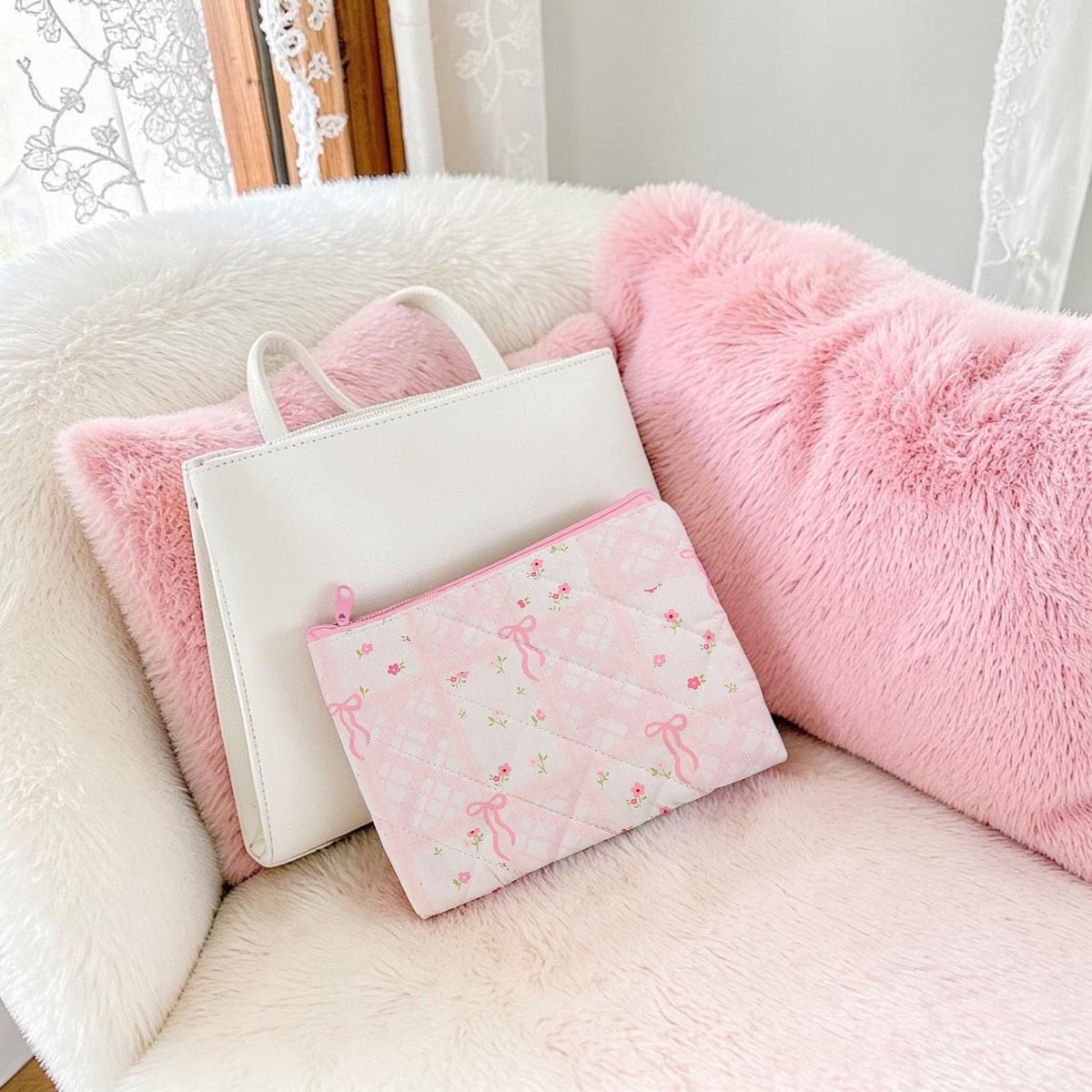
Give your daily kit a little personality with our Multi-Use Purse Organizer. It's a small zippered pouch for personal-care or makeup essentials, with floral and bow-print options to make the practical part feel more like you.
Choose a print you love, gather your everyday extras, and give them a place of their own.
Once packed, the pouch should close comfortably and leave you room to reach the contents. That is the useful amount to carry, even if there is space elsewhere in the tote for more.
Give Everything a Place You Can Reach
Arrange the tote around how you take things out, not just how neatly they fit inside.
Start With the Larger Pieces
Put in the belongings that define the day's load first. A notebook or folder can sit along a broad side of the tote. Keep glasses in their own case, and give a folded layer a place that doesn't cover everything else.
Next, position the pouch where you can see its opening and get a hand around it. Try it beside the notebook rather than underneath it. The aim is to lift out the small kit without first finding somewhere to put a stack of other belongings.
Leave a little working room around the things you reach for. A tote doesn't need to be filled edge to edge to be packed well.
Keep Frequent Reaches Simple
Choose repeat places for your phone, wallet, and keys. Use the tote's internal pockets or key attachment when those features suit the items. Keep them accessible within the bag's closure rather than scattered among the larger pieces.
If your tote has no pockets, give the wallet and key case consistent positions beside the pouch. You can still make a useful arrangement without dividing every inch of the interior.
Now try three ordinary actions: take out your wallet, lift out the pouch, and retrieve your keys. Put each one back after reaching for it. If the cardigan has to come out every time, move the cardigan. If the pouch is hidden behind a folder, bring its opening forward.
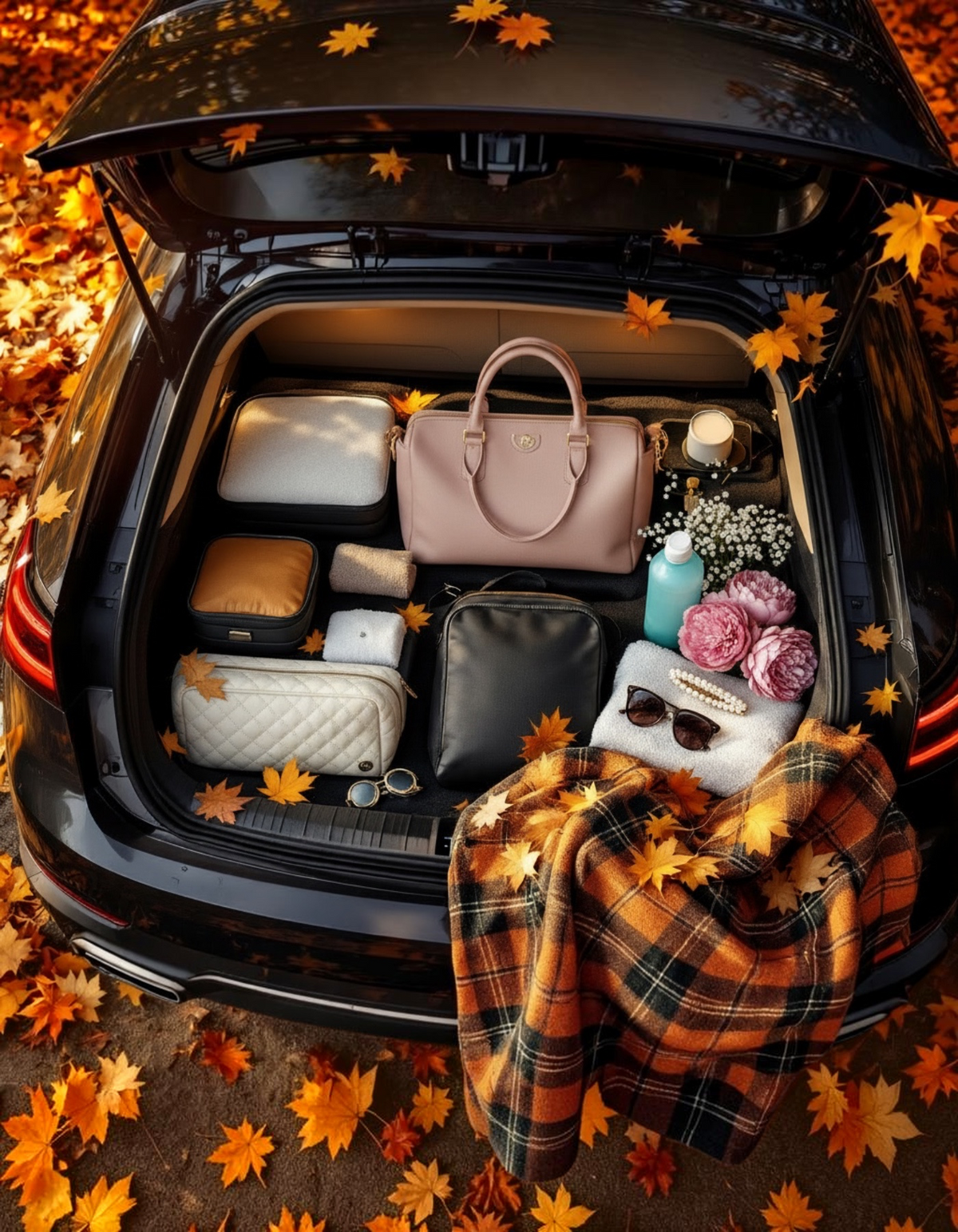
This small rehearsal tells you more about the layout than a perfectly arranged overhead photograph. You are packing a bag to use, not a drawer to leave untouched.
Try a Workday-to-Evening Packing Plan
Keep the small personal kit consistent while the larger, day-specific belongings change.
Imagine a workday followed by dinner, with time to change bags at home. The tote needs room for the daytime pieces. The evening handbag needs only the things coming with you next.
Pack for the Workday
Begin with a notebook, a glasses case, and your usual everyday essentials. Add the pouch beside them. A cardigan or other extra can join if it belongs in today's plans.
The table below is a starting arrangement. Adjust it to your bag, the actual size of your belongings, and the items you use.
| Belonging | In the workday tote | For the evening |
|---|---|---|
| Small personal kit | In the removable pouch, with its opening accessible. | Move the pouch if the packed shape suits the handbag. |
| Phone, wallet, and keys | In familiar, easy-to-reach positions. | Transfer and check each one separately. |
| Notebook or folder | Along a broad side of the tote. | Leave at home when the workday is finished. |
| Glasses | In their case, where you can retrieve it. | Bring the pair you need in its suitable case. |
| Extra layer | Folded without covering the frequent-use items. | Wear it, carry it separately, or leave it according to your plans. |
| Receipts collected during the day | Kept together until you get home. | File or discard them instead of moving them into the next bag. |
Keep the Pouch, Change the Extras
At home, take out the daytime pieces first. Then transfer the pouch and your everyday essentials. The notebook doesn't need to accompany the lip color to dinner.
For a smaller handbag, decide which personal items matter for the evening. You might move the whole pouch, or take just the few things that suit the smaller space. Keeping the group together in the tote gives you an orderly place to choose from.
The same idea works for a weekend outing. Keep your familiar kit and change the extras around the plan: a book for a café visit, sunglasses for an afternoon out, or a folded shopping bag for errands.
Make the Bag Swap a Short Routine
Move the grouped items first, then check the essentials that live outside the pouch.
Give yourself a clear surface and open both bags. Moving directly from one to the other makes it easy to see what has already made the trip.
- Place the pouch in the next bag with its opening easy to reach.
- Transfer your wallet, keys, and phone to their intended places.
- Add the items needed for this particular outing, such as glasses or a notebook.
- Check the old bag's pockets and base for anything that belongs with you.
- Close the new bag and take out one frequently used item to check the arrangement.
Pay attention to anything you normally carry outside the bag. Your phone may still be charging, or your keys may be on their usual hook. Include those in the final check rather than assuming they moved with the pouch.
If you often alternate between the same two bags, keep a short note on your phone with the handful of items that make the switch. Make it personal: the glasses you need, your work pass, or the particular item you always take to an evening class.
The pouch handles one group. Your final check handles the rest.
Reset the Tote for Tomorrow
Replace what you used, remove what has finished its job, and leave the useful arrangement ready.
Replace What You Used
When you put the tote down at home, open the pouch before forgetting about it until morning. Replace any supplies you used and return items borrowed from elsewhere.
Keep the reset to three small jobs:
- Restock the everyday kit.
- Remove receipts, packaging, and finished-with papers.
- Take out the extras that were only needed today.
If the same item keeps moving back into the tote, give it a regular place. If it keeps coming home untouched, decide whether it still belongs in your daily load. The arrangement can change as your routine does.
Look After the Tote and Pouch Separately
Empty each one when it needs cleaning and use its own care instructions. A tote and a pouch may look similar while having different linings, finishes, and fasteners.
GINETEX's textile-care guidance explains that care information accounts for sensitive components, including finishes and zippers. Follow the instructions for the complete item rather than choosing a cleaning method from the outer fabric alone.
Once everything is clean and dry as directed, return the small kit to its place. Keep replenishment supplies in an easy-to-find spot at home so refilling the pouch doesn't become another search.
Tote Organization Questions
How Do I Organize a Tote With No Pockets?
Start with one pouch for small extras and consistent positions for the wallet, key case, and larger belongings. Keep the pouch opening accessible. Practice taking out the things you use most, then adjust anything that gets in the way.
How Many Pouches Should I Use?
Begin with one clear job. Add another only when you have a separate group you want to remove or use together. For example, a personal-care kit and a work-cable kit have different purposes. They don't need to become a matching set to be useful.
Can I Use a Pouch Inside a Bag Insert?
Yes, when the pouch holds a group you want to take out while the insert stays in place. Keep enough room to reach both. Our purse organizer or bag insert guide explains the difference between those layouts.
What Changes When I Carry a Smaller Handbag?
Keep the routine and edit the contents. Move the packed pouch when it fits comfortably alongside your essentials. Otherwise, choose the few items needed for that outing and return them to the kit afterward.
Sources and Updates
This guide combines Love Dug product information with the linked cosmetic and textile-care guidance. The packing plan is illustrative, not a hands-on capacity test.
A favorite bag is even nicer when you know where everything is.
Give the small extras a place, keep the daily essentials within reach, and choose a pouch you enjoy taking along.
Selected sources
Read more

Your favorite mugs, a clear place to pour, and one little extra for milky coffees. Bring a welcoming holiday coffee corner together without giving up your kitchen.

A tray of vegetables, a bowl of dressing, and a drizzle at the table. Find the oil dispenser that suits your favorite meals, including a bottle that sprays and pours.