













The short answer
Choose leg warmers by the shape you want, the length you plan to show, and the fit over your usual clothing. Compare both openings, the knit's flexibility, and how the pair meets your shoes. Then choose a color that belongs with an outfit you already enjoy.
How much knit would you like to see above your boots?
A little gathering at the ankle and a taller knitted layer create different looks. Both can start with the same familiar sweater, leggings, and footwear. The useful choice is the pair that gives you the arrangement you want without needing constant adjustment.
Begin with the shape, then the length and fit. A product photograph can show a styling idea, but your own proportions, clothing, and shoes complete the picture.
Our Fashion & Beauty essentials guide covers the wider approach to personal style and practical fit. Here, we'll focus on choosing leg warmers, from the openings and finished length to the details that make them easy to wear again.
Choose the Shape Before the Length
Decide whether you want a footless knitted layer or a design that extends toward the foot. Those shapes create different arrangements.
Look at the complete item, including both openings. The main product photograph may show it gathered, folded, or partly hidden by footwear. A second view can make the construction much clearer.
A Footless Tube
A tube-style leg warmer has openings at both ends and leaves the foot uncovered. It is a format to consider when you want knit around the ankle or calf, with the lower opening meeting the top of your footwear.
Compare the two openings rather than assuming they are identical. A shaped cuff, a narrower lower edge, or a different knit section can affect how the piece sits.
A Heel-Opening Design
A heel-opening design extends toward the foot with an opening around the heel. Choose it because you want that arrangement, not simply because its listed length is longer.
Look for a clear view showing where the fabric sits with footwear. Its opening and foot section need to work with the shoes you intend to wear. A familiar style name does not answer that fit question.
University of Kentucky Extension's accessory guide treats color and texture as design elements. Enjoy those details once you understand the shape. A cable pattern can change the look of the knit without telling you where the lower opening belongs.
Decide Where You Want the Knit to Sit
Choose the lower position and desired upper position first. Then compare the product's finished length with the amount of gathering you want.
Start With Your Own Reference Points
Put on the leggings, socks, and shoes you expect to wear. Decide where the lower edge should sit, then where you would like the top to finish. A flexible tape can help you picture that distance without pulling the clothing tight.
Keep that wearing distance separate from the item's published length. Ask whether the product measurement is taken relaxed, extended, folded, or by another stated method. Use the same units when comparing.
A label such as “knee-high” is a style description, not a personalized measurement. The point reached by a particular length depends on where it starts, your proportions, and how the knit sits.
Leave Room for the Gathered Look
If you want a scrunched arrangement, some of the length becomes folds rather than vertical coverage. More fabric may create more gathering, but it also changes the volume around the ankle or calf.
For a taller look, compare the upper opening with the part of the leg where it will sit. Length and circumference need to work together; choosing the longest option does not settle the fit.
| Your preferred look | What to compare | What the outfit needs |
|---|---|---|
| A little knit above the boot | The lower opening and the length needed for the visible section. | A clear meeting point between the knit and boot opening. |
| A gathered lower-leg layer | Finished length, flexibility, and the volume created when gathered. | Room around the ankle without fabric reaching the walking surface. |
| A taller knitted line | Length from the intended lower edge and fit at the upper opening. | A comfortable position alongside the clothing worn underneath. |
Use the table to describe your preference rather than searching for one ideal length for everyone. “A little knit above my ankle boots” gives you a clearer brief than a size label alone.
Find a Comfortable Fit Around the Leg
Compare the intended fit over the layers you will actually wear. Overall length is only one part of the decision.
Separate Body and Product Measurements
If the seller provides a measuring diagram, follow its points and method. Record any requested leg circumference with the intended clothing underneath, rather than taking a bare-leg measurement for an outfit built around thicker layers.
Check what a listed width describes. A flat measurement across the knit is not the same as a recommended leg circumference. Likewise, a relaxed opening does not tell you its comfortable wearing range without further guidance.
A flexible material can accommodate movement, but flexibility is not a universal sizing system. Look for the intended fit of the finished item instead of assuming it will stretch to any position.
If you already own a pair you enjoy, compare it using the same measurement method. Note what works: the opening, the length, or the amount of gathering. A familiar reference is useful only when the numbers describe the same thing.
Include Sitting and Walking
When you can assess the actual pair, try the ordinary movements of your outfit. Sit down, bend your knees and ankles, and take a few careful steps with the intended shoes.
Notice whether the upper edge pinches, the fabric bunches where you do not want it, or the lower edge needs repeated repositioning. Choose a shape that works comfortably rather than pulling a tight cuff into place just to recreate a photograph.
Two pairs of the same length may still fit differently because their openings, shaping, and knit construction differ. That is why a length comparison should lead into a fit check, not replace it.
Bring Your Shoes Into the Decision
Compare the lower opening with your footwear and keep the fabric clear of the heel, sole, and walking surface.
Above the Boot or Inside It?
For a visible layer above an ankle boot, look at how the knit meets the boot opening. You may prefer a small gathered section or a more extended line. Keep the boot's fastening and your usual ankle movement in the picture.
Do not force a narrow opening over bulky footwear. Choose around the actual dimensions and construction instead of expecting every tube-style pair to fit over every boot.
If you want to wear the knit inside a taller boot, account for the extra layer. The boot should still fit comfortably with your usual socks and clothing. Adding fabric is a different choice from simply changing the color outside it.
Keep the Footwear's Job Clear
With sneakers or other lower shoes, compare where the knit ends and how it behaves when you move. Avoid arranging fabric underneath the outsole or letting a long edge drag on the ground.
For cold-weather outings, choose your main clothing and footwear around the conditions first. The National Weather Service recommends checking the forecast when preparing for cold weather. An attractive knitted layer is not, by itself, a temperature or weather-protection rating.
Once the practical arrangement feels right, enjoy the styling. Our winter accessories outfit ideas show a sweater, leggings, and ankle-boot starting point alongside two glove combinations.
Read Materials and Care Together
Look at the actual fiber information and care instructions. A knit pattern tells you something different from the material and the way the finished pair should be cleaned.
A Pattern Is Not a Fiber Content
Cable knit describes a pattern and construction detail. It does not identify the fibers used to make the item. Read the composition supplied for the exact product rather than deciding from its name or photograph.
The FTC's textile-labeling guidance explains how fiber content is identified. That information is more useful than treating a general description such as “soft knit” as the complete material record.
Consider the surfaces and edges that touch your clothing or skin. A close-up can help show the pattern, but it cannot establish how the material will feel to every wearer or behave after repeated washing.
Choose a Routine You Can Follow
GINETEX's textile-care guidance explains that care information takes sensitive components and finishes into account. Follow the directions for the finished pair rather than borrowing instructions from another accessory with a similar-looking knit.
Keep any supplied label or care information with the order details. If the instructions are on the packaging, save a clear photograph before discarding it.
After cleaning as directed, follow the stated drying method and keep the pair together in storage. The useful choice includes looking after the knit, not just enjoying it on the first outing.
Choose the Pair You Want to Reach For
Choose the shape and fit first. Then let color and texture make the pair feel like part of your wardrobe.
Picture one outfit you already enjoy. Decide where the knit will sit, how much you want to show, and whether you prefer a gathered or more extended arrangement. Compare that idea with the actual product dimensions and intended fit.
For a lighter accent, picture pale knit against dark leggings. To keep the colors close together, try a darker layer beside dark footwear. These are ways to choose your palette, not rules requiring another purchase to complete the outfit.
Keep the other pieces familiar while you decide. A leg warmer can introduce texture without asking your coat, bag, and sweater to change with it.
Explore Love Dug's option
Explore our Cozy Cable Knit Leg Warmers "Classics" for a knitted addition to an outfit you already like. Compare the current option's measurements with your preferred placement and the clothing underneath.
Once the fit is clear, choose the color you would enjoy pulling on for an ordinary day.
Review the current product details and Return & Refund Policy before ordering. If a missing measurement would change your choice, contact Love Dug with the product and the fit question you need answered.
Leg-Warmer Questions
What Length of Leg Warmers Should I Choose?
Start with where the lower edge will sit and how high you want the knit to reach. Compare that wearing position with the product's stated length, allowing for your preferred gathering or folding. A style label such as “knee-high” does not replace those measurements.
Does One Size Mean Leg Warmers Fit Everyone?
No. One Size identifies an offered option, not a universal fit guarantee. Compare the length, openings, and intended wearing guidance with your leg and the layers underneath. Stretch alone does not answer every sizing question.
Can I Wear Leg Warmers Over Boots?
Only when the particular opening and knit comfortably suit the footwear. Compare the actual arrangement rather than forcing fabric over a wider boot. Keep the knit clear of the heel, outsole, and walking surface.
Are Boot Cuffs and Leg Warmers the Same Thing?
The names can overlap in shopping listings. Compare the actual length, shape, and intended placement. A small detail around a boot opening and a longer knitted layer up the leg are different styling goals, regardless of the label used.
How Should I Wash Knit Leg Warmers?
Use the finished pair's instructions. Do not assume that a familiar fiber or knit pattern makes the item suitable for machine washing, soaking, or a particular drying method. Keep the care information available for the pair you choose.
Sources and Updates
This guide combines an original selection framework with the general design, textile, and weather guidance linked throughout. The fit prompts and outfit examples are editorial suggestions, not reports of hands-on wear, stretch, or warmth testing.
The finishing touch should feel like part of the outfit.
Choose the shape you want to wear, give the measurements a clear meaning, and leave room for your own way of styling the knit.
Selected sources
Read more
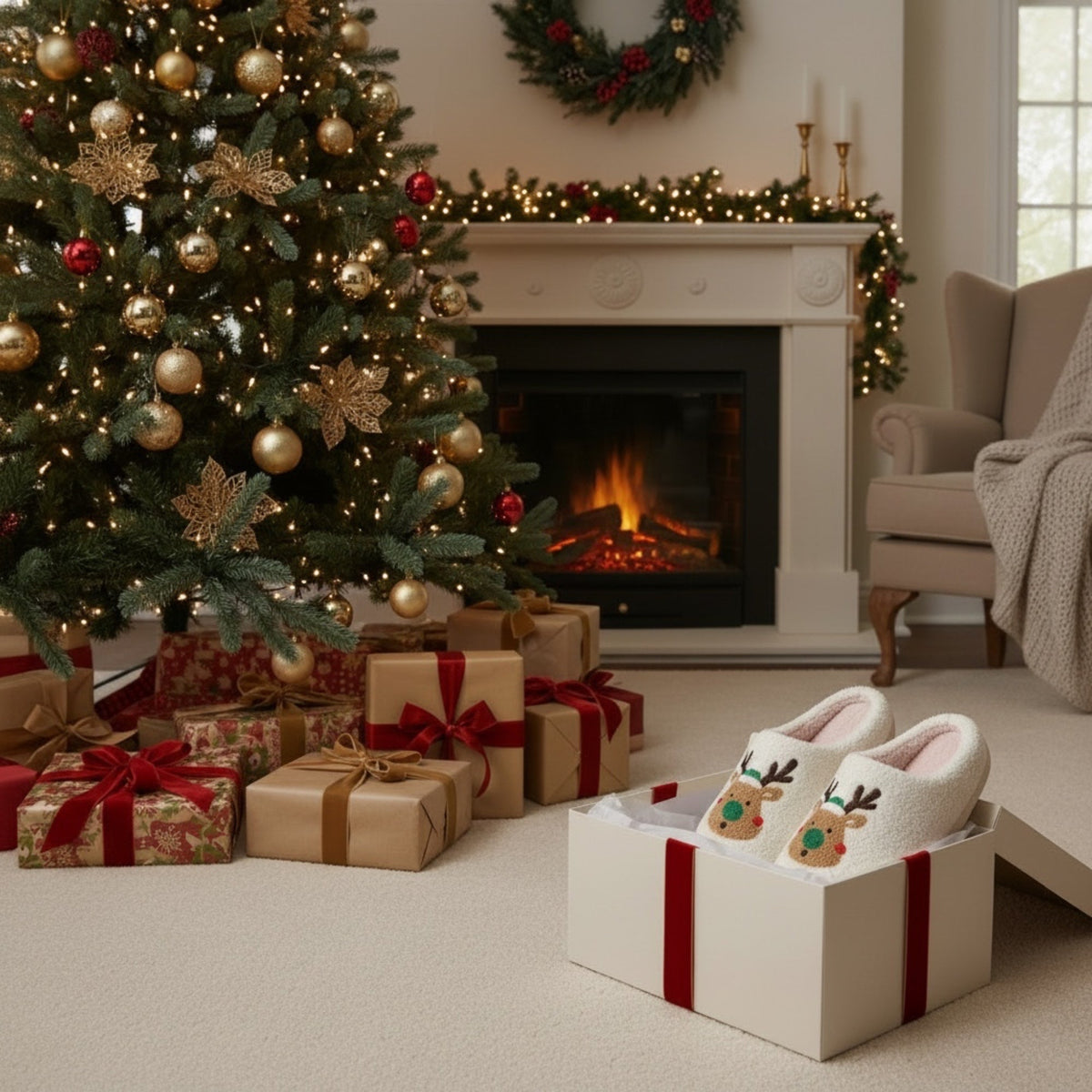
Choose the fit, shape, and personality you want in a pair of house slippers. A few practical checks leave more room for the fun part.

A wanted walking accessory, familiar refills, or time together: choose a gift that fits the dog owner’s routine, then make one detail personal.